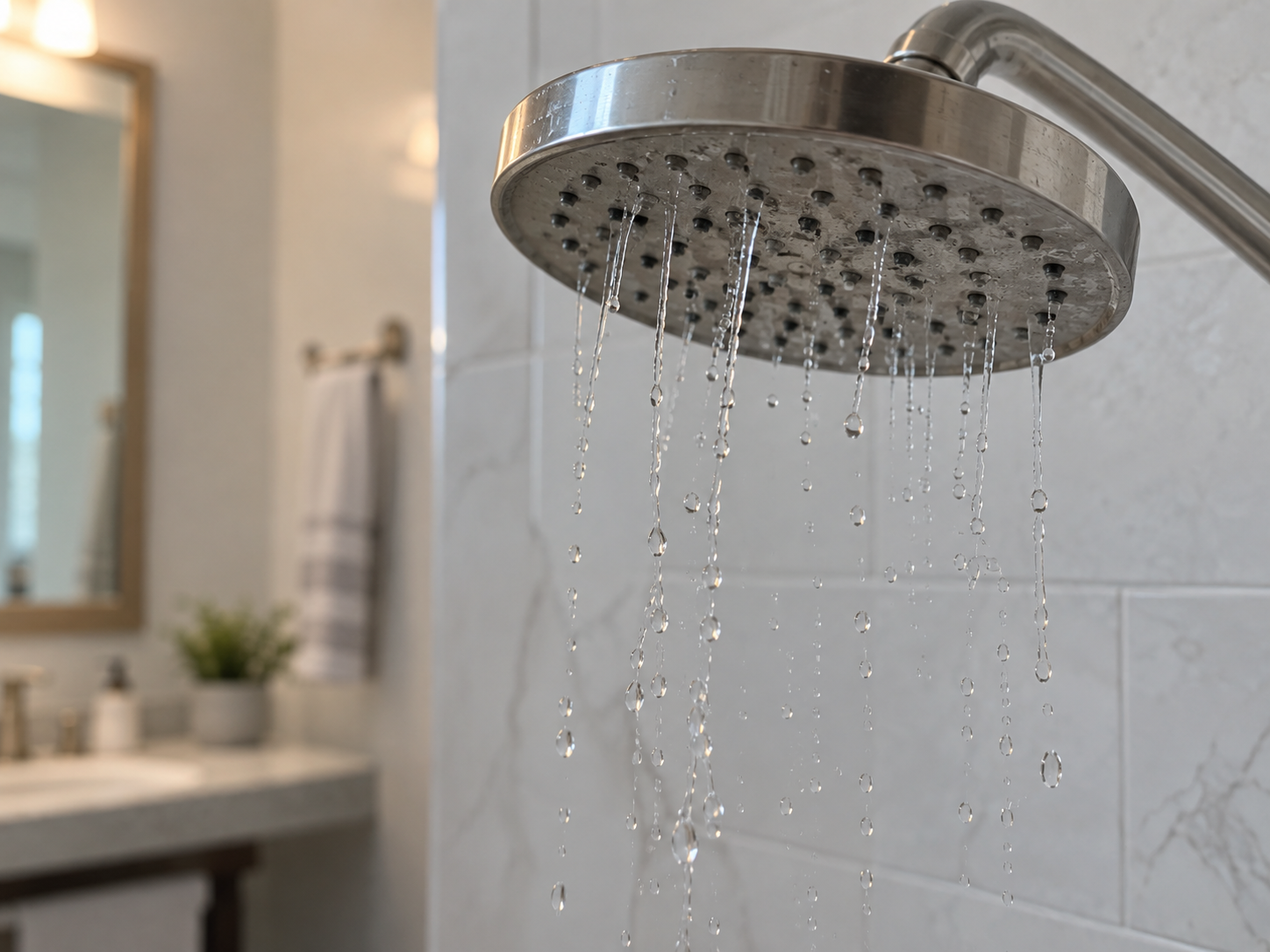
You turn on the shower and barely get more than a trickle. The kitchen faucet suddenly seems weaker than usual. Maybe your water pressure drops whenever someone starts the washing machine.
Low water pressure can quickly become frustrating, but it can also be your plumbing system's way of telling you that something needs attention.
For homeowners throughout Massachusetts, the cause can range from a simple fixture problem to aging pipes, hidden leaks, or issues with a private well system. Understanding where the problem may be coming from can help you decide what to do next.
Start by Asking: Is the Problem Everywhere?
One of the easiest ways to narrow down a water pressure problem is to determine how much of the home is affected.
Check several fixtures, including:
- Kitchen faucets
- Bathroom sinks
- Showers and tubs
- Outdoor faucets
- Toilets
- Washing machine connections
If only one faucet or shower has weak pressure, the problem may be isolated to that fixture.
If the entire house seems affected, the cause may be somewhere deeper within the plumbing or water supply system.
Mineral Buildup May Be Restricting Water Flow
Over time, minerals and sediment can collect around faucet aerators, showerheads, valves, and inside plumbing lines.
You may notice:
- Uneven spray from a showerhead
- Reduced flow from a faucet
- White or chalky buildup around fixtures
- Pressure that has gradually become weaker
Cleaning an aerator or showerhead can sometimes help when the problem is limited to one fixture.
When several fixtures are affected, however, buildup may be occurring elsewhere in the plumbing system and should be evaluated professionally.
An Aging Plumbing System Can Affect Pressure
Older homes can come with older plumbing.
Certain pipes can corrode or deteriorate internally over time. As the usable space inside the pipe becomes smaller, less water can move through it.
The result may be increasingly weak water pressure throughout the home.
Other signs that aging pipes may be involved include:
- Discolored or rusty-looking water
- Recurring leaks
- Visible corrosion
- Frequent plumbing repairs
- Pressure problems in several areas of the house
Replacing a single fixture will not solve a restriction occurring throughout older plumbing lines. A plumber can evaluate the condition of the system and determine whether pipe repair or re-piping may be appropriate.
Hidden Leaks Can Reduce Water Pressure
Not every plumbing leak creates an obvious puddle.
Water escaping somewhere along the plumbing system may reduce the amount of water reaching your fixtures.
Watch for warning signs such as:
- Unexpected increases in water usage
- Damp walls, ceilings, or flooring
- Water stains
- Musty odors
- The sound of running water when fixtures are off
- Areas of unexplained moisture
A hidden leak should not be ignored. Small leaks can become larger plumbing problems and may eventually damage surrounding materials.
If the pressure change was sudden, professional leak detection may help identify the source.

Multiple Fixtures Running at Once Can Create Pressure Changes
Sometimes there is no major plumbing failure at all.
Water pressure may simply feel weaker when several water-consuming appliances or fixtures are operating simultaneously.
For example, you may notice a pressure drop while:
- Someone is showering
- The dishwasher is running
- The washing machine is filling
- An outdoor faucet is being used
Occasional changes can be normal.
However, dramatic pressure drops during everyday household use may indicate that the plumbing system is struggling to provide adequate flow.
Your Well Pump or Pressure Tank Could Be Involved
Homes that rely on private wells have additional equipment responsible for moving and maintaining water pressure.
If your home uses a well system, pressure problems may be associated with the pump, pressure tank, controls, or another part of the system.
Possible symptoms include:
- Water pressure repeatedly rising and falling
- Very weak pressure throughout the home
- Air or sputtering from faucets
- Unusual pump cycling
- Sudden changes in water availability
Well systems involve several components working together, so diagnosing the exact cause is important before replacing equipment.
Sometimes the Problem Is the Fixture Itself
Before assuming the entire plumbing system has a problem, consider whether the issue is limited to one faucet or shower.
A clogged aerator, worn cartridge, faulty valve, or buildup inside a fixture can reduce water flow.
If every other fixture works normally, repairing or replacing the affected fixture may restore proper flow without requiring larger plumbing work.
Why Low Water Pressure Shouldn't Be Ignored
Low pressure may seem like something you can live with, but persistent changes deserve attention.
A pressure problem could point to:
- Pipe deterioration
- Plumbing leaks
- Restricted water lines
- Fixture problems
- Well equipment issues
- Other plumbing system concerns
Finding the cause early may help prevent the underlying issue from becoming more disruptive.
Get Your Water Pressure Back to Normal
You shouldn't have to plan your morning around whether the shower will have enough pressure.
If your water pressure has suddenly dropped, continues getting weaker, or affects several fixtures throughout your home, a professional plumbing inspection can help identify what's happening.
A1 Discount Plumber serves homeowners throughout Eastern Massachusetts with plumbing repairs, pipe services, re-piping, well system service, and other residential plumbing solutions.
Rather than guessing at the cause, let an experienced plumber determine where the problem is coming from and recommend the right solution for your home.
Contact A1 Discount Plumber today to schedule plumbing service and get your home's water flowing properly again.
Frequently asked questions
1. Why did my water pressure suddenly get low?
A sudden pressure change could be associated with a leak, plumbing restriction, fixture problem, water supply issue, or well system concern. If several fixtures are affected, having the system inspected is a good idea.
2. Why is the water pressure low in only one shower?
When the problem affects only one shower, buildup in the showerhead or an issue with the fixture or valve may be responsible.
3. Can old pipes cause low water pressure?
Yes. As some older pipes corrode or accumulate deposits internally, the opening available for water flow can become restricted.
4. Should I call a plumber for low water pressure?
If simple fixture cleaning does not solve the problem, the pressure change is significant, or several areas of your home are affected, a plumber can help identify the underlying cause.
Need a hand with this?
Licensed, insured, and available 24/7 across Eastern Massachusetts. Free quotes, honest advice.
+1 (508) 556-2269