
Backwater Valve Installation & Basement Flood Prevention in Eastern Massachusetts
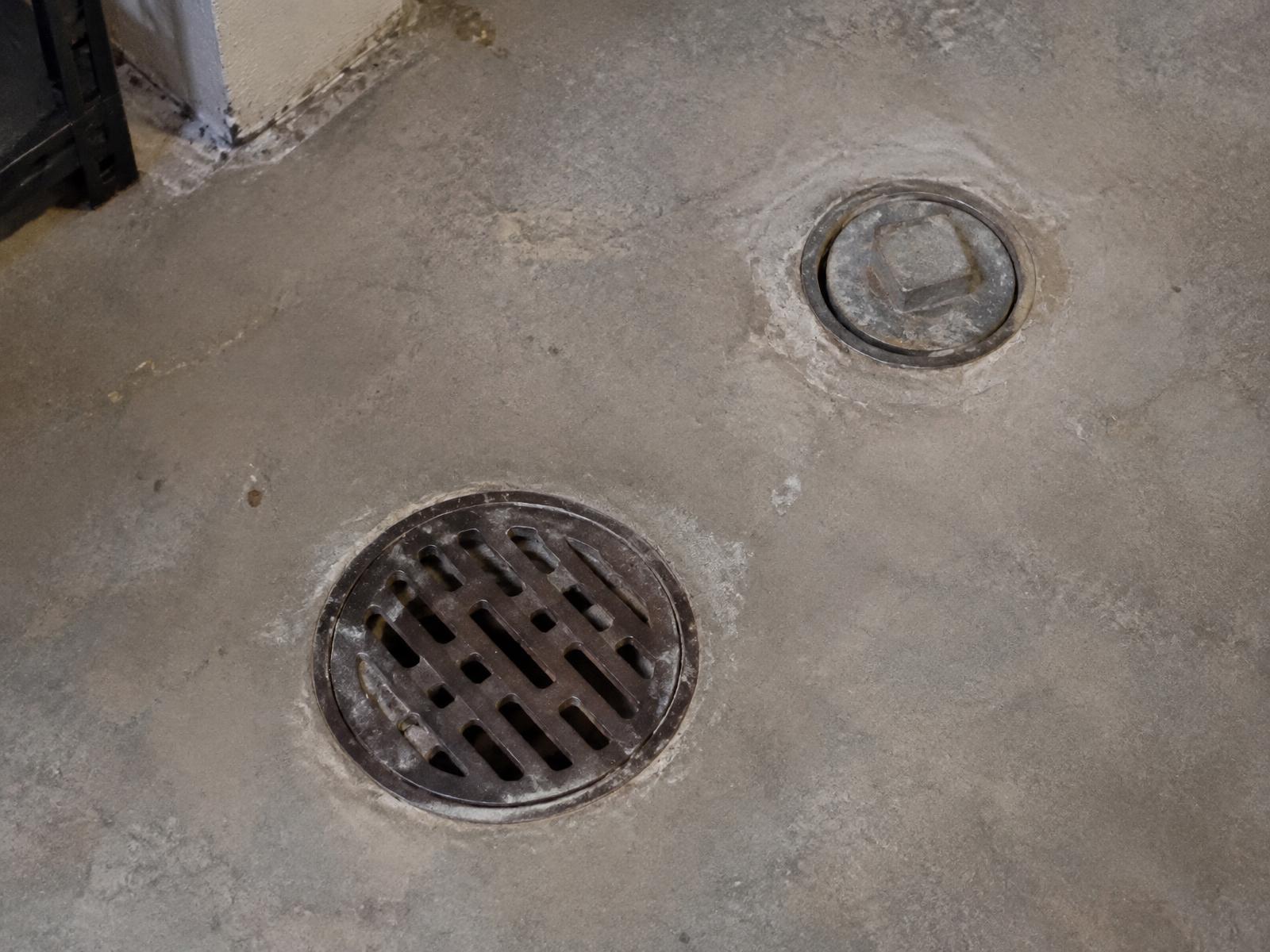
Your basement floor drain is the last line of defense between a plumbing problem and a flooded basement.
Your basement floor drain is the last line of defense between a plumbing problem and a flooded basement. When it works, you never think about it. When it fails, or when the city sewer backs up through it, you think about nothing else.
Most Massachusetts homeowners don't know what their floor drain connects to, whether it has a trap, or what a backwater valve is. A1 Discount Plumber installs backwater valves, maintains floor drains, and provides basement flood prevention services across Eastern Massachusetts. Here's how it all works, and what you can install to make sure sewage never flows backward into your home.
How a Basement Floor Drain Works
A basement floor drain is a low-point outlet set into the concrete slab. It collects water from multiple sources, a leaking water heater, washing machine overflow, condensation from HVAC equipment, or minor groundwater seepage, and routes it into the home's drain system.
In most Massachusetts homes, the floor drain connects to one of two systems:
- The sanitary sewer: the floor drain ties into the same drain/waste system as your toilets, sinks, and showers, eventually reaching the municipal sewer line at the street. This is the most common configuration.
- A sump pit: in some homes, particularly those with high water tables or chronic groundwater issues, the floor drain routes to a sump pit where a sump pump ejects the water to the exterior. This is common in newer construction and homes with French drain systems.
Every floor drain should have a P-trap, a curved section of pipe beneath the drain that holds a small amount of water. This water seal prevents sewer gases from rising through the drain into your basement. If your basement smells like sewage and the floor drain is dry, the trap has likely evaporated. Pour a gallon of water into the drain to restore the seal.
Why Floor Drains Back Up
- Municipal sewer surcharge: during heavy rain events, the municipal sewer system can become overloaded. When the main sewer line pressure exceeds the capacity of the system, sewage can flow backward through your lateral connection and up through the lowest drain in the house, which is almost always the basement floor drain.
- Main line blockage: tree roots, grease, or debris blocking your main sewer lateral can cause wastewater to back up into the house. The floor drain is typically the first place it appears because it's the lowest opening in the system.
- Collapsed or deteriorated lateral: an old clay or cast iron sewer lateral that has partially collapsed restricts flow. During peak usage or rain events, the restriction causes backups.
- Clogged floor drain: sediment, dirt, lint (from washing machines), and debris can accumulate in the trap and drain line over time, reducing flow.
Blockages and failing laterals call for drain cleaning and a video pipe inspection to see exactly what's happening in the line.
What a Backwater Valve Does
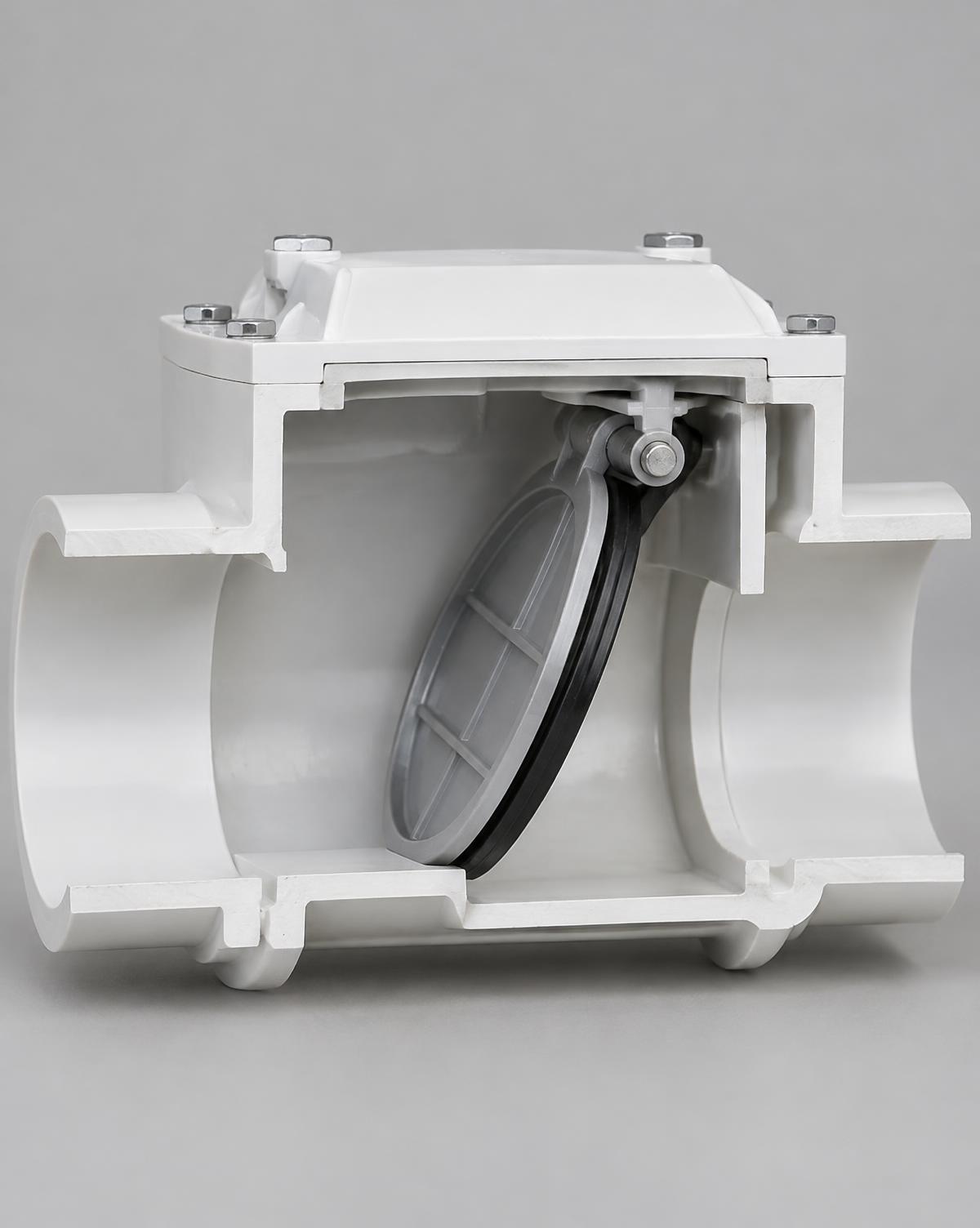
A backwater valve (also called a backflow preventer or sewer check valve) is installed in your main sewer lateral, typically in the basement floor near the point where your home's drain system connects to the municipal sewer. It contains a flap or gate that allows water to flow out toward the sewer normally, but automatically closes if water tries to flow backward into your home.
When the municipal sewer surcharges during a storm, the backwater valve closes, and the sewage stays in the city's system instead of coming up through your floor drain, shower, and toilet. When the pressure normalizes, the valve opens and normal drainage resumes.
A backwater valve is the single most effective device for preventing sewer backup flooding in a basement. It won't help with backups caused by a blockage in your own lateral (those need drain cleaning or sewer repair), but it eliminates the most common and most destructive scenario: the city sewer overwhelming your home's plumbing during a storm.
Types of Backwater Valves
- Normally open (flap/gate): the valve sits open during normal operation and closes only when backflow pressure pushes the flap shut. This is the most common residential type. Maintenance involves periodic inspection to ensure the flap moves freely and seals properly.
- Normally closed (knife gate): the valve stays closed and only opens when internal wastewater flows out. More secure but requires slightly more maintenance to prevent buildup on the gate mechanism.
Both types are installed below the basement floor in the main sewer lateral. Installation requires cutting into the concrete slab at the lateral location and fitting the valve into the pipe run. A cleanout access port is installed at floor level so the valve can be inspected and maintained without re-excavating.
Who Needs a Backwater Valve in Massachusetts?
- Any home that has experienced sewer backup through the floor drain during heavy rain. This is the clearest indicator that you need one.
- Homes in areas served by combined sewer systems (storm and sanitary in the same pipe). These are the most vulnerable to surcharge backups during rain events.
- Homes with finished basements. The cost of a backwater valve installation is a fraction of the damage a single sewer backup causes to finished drywall, flooring, and furnishings.
- Homes with below-grade bathrooms, laundry, or living space. Any fixture below the sewer line elevation is vulnerable.
- Homes in flood-prone or low-lying areas of Eastern Massachusetts.
Below-grade bathrooms and laundry often also need a sewer ejector pump.

Frequently Asked Questions
Schedule a Basement Flood Prevention Assessment
If your basement has flooded from sewer backup, or if you want to prevent it from ever happening, contact A1 Discount Plumber. We'll assess your floor drain, sewer lateral, and overall basement flood risk, and recommend the right combination of backwater valve, sump pump, and drain maintenance to keep your basement dry. Request service through our contact page or call the number at the top of this page.