Property Management & Multi-Family Plumbing Maintenance in Eastern Massachusetts
Structured plumbing maintenance for multi-family buildings, duplexes, triple-deckers, and apartment complexes.
A plumbing emergency in a rental property doesn't just cost money. It costs tenant goodwill, potentially triggers habitability complaints, and can cascade into water damage that affects multiple units. For Massachusetts landlords and property managers, the math is simple: a scheduled maintenance program costs a fraction of what emergency repairs, tenant turnover, and water damage restoration cost.
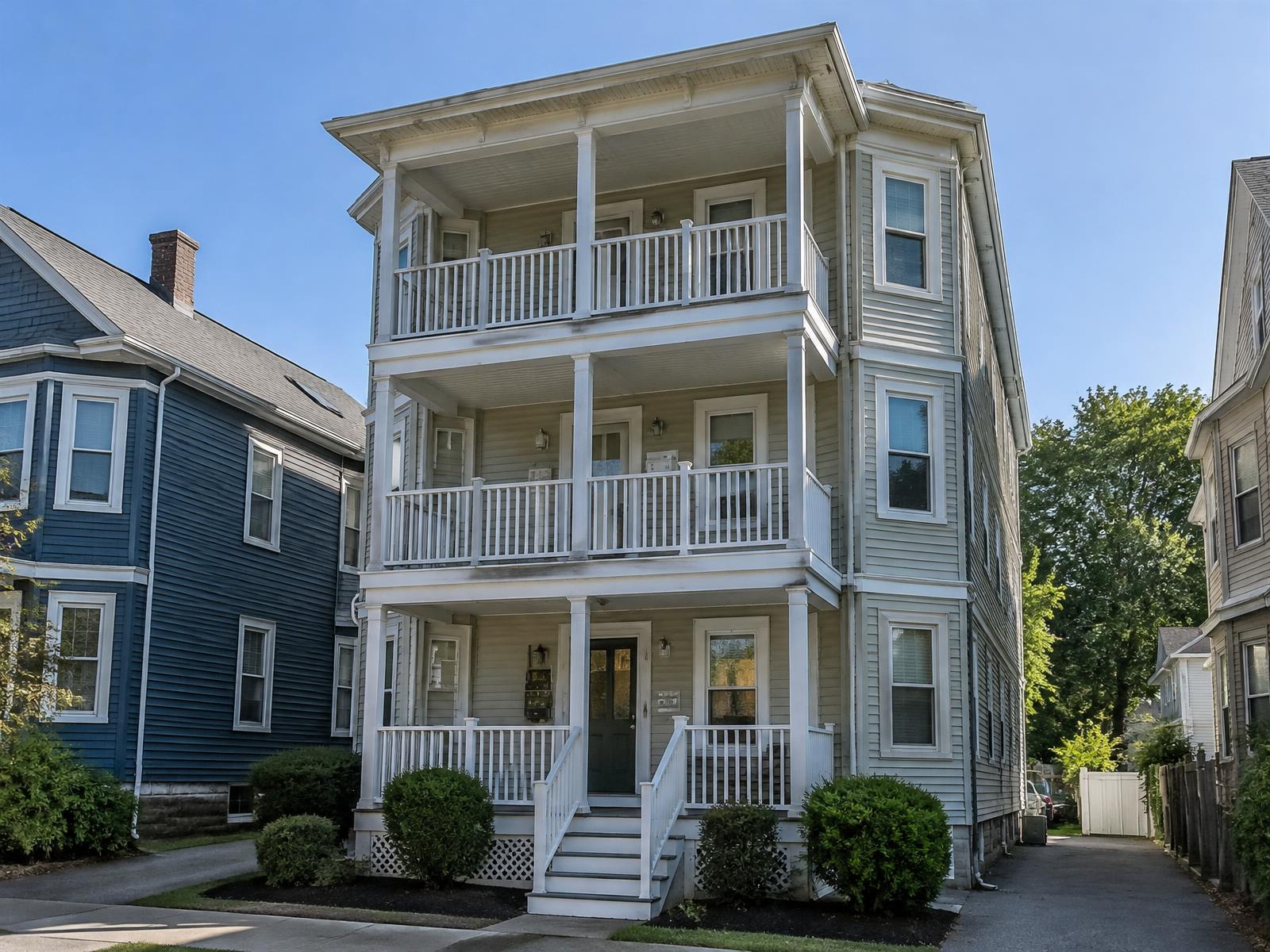
A1 Discount Plumber works with landlords and property management companies across Eastern Massachusetts to provide structured plumbing maintenance for multi-family buildings, duplexes, triple-deckers, and apartment complexes. Here's the maintenance schedule we recommend and why each item matters for rental property owners.
Annual Plumbing Maintenance Checklist
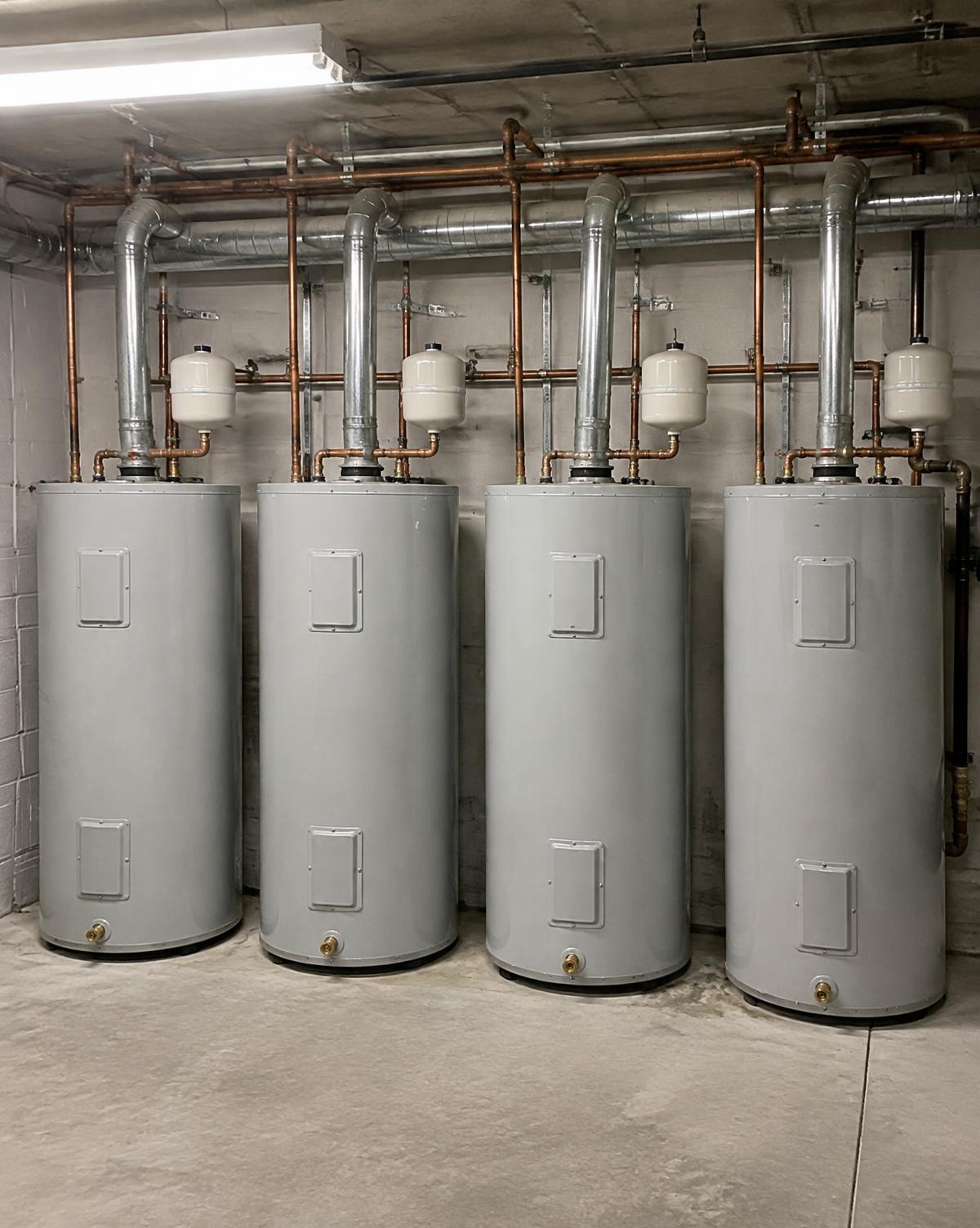
Water Heaters (Every 12 Months)
- Flush the tank: sediment accumulates at the bottom of every tank water heater. In multi-family buildings with shared or multiple water heaters, this happens faster. Annual flushing extends tank life and maintains hot water delivery.
- Test the T&P relief valve: the temperature and pressure relief valve is a critical safety device. Test it annually to confirm it opens and reseats properly.
- Check the anode rod: the sacrificial anode rod protects the tank from internal corrosion. Once it's depleted, the tank starts rusting from the inside. In a rental property, a failed anode rod means an emergency water heater replacement at the worst possible time.
- Assess unit age: if the water heater is 8+ years old, budget for replacement. Proactive replacement during a vacancy costs far less than an emergency failure that floods a tenant's unit.
Need a replacement? See our water heater service.
Drain System (Every 12 Months)
- Main line camera inspection: an annual sewer camera inspection catches root intrusion, pipe deterioration, and partial blockages before they cause a backup. For older multi-family buildings with cast iron or clay sewer laterals, this is essential.
- Kitchen drain cleaning: multi-tenant kitchens accumulate grease faster than single-family homes. Annual professional cleaning prevents the slow buildup that eventually causes a full blockage.
- Floor drain maintenance: basement floor drains in multi-family buildings should be flushed regularly to maintain the P-trap seal and checked for slow drainage.
Related: video pipe inspection, drain cleaning, and grease traps for buildings with commercial kitchens.
Boiler and Heating System (Every 12 Months, Before Heating Season)
- Full boiler tune-up: combustion analysis, heat exchanger inspection, burner cleaning, safety control testing, and system pressure check. A mid-winter boiler failure in a multi-family building affects every tenant.
- Bleed radiators and baseboards: trapped air causes cold spots and tenant complaints. Bleeding the system before heating season eliminates this.
- Expansion tank check: a failed expansion tank causes pressure spikes that trigger the relief valve and can damage the boiler.
Upgrading an aging unit? See high-efficiency boilers.
Sump Pumps (Twice Per Year)
- Seasonal testing: test before the spring thaw and again before storm season. Pour water into the pit and watch the pump cycle.
- Battery backup verification: simulate a power outage to confirm the backup engages. The same storms that flood basements knock out power.
- Discharge line inspection: confirm the discharge line is clear, properly sloped, and exiting far enough from the foundation.
Below-grade fixtures may also need sewer pump service.
Fixture Inspections (Every 6 Months)
- Toilet checks: running toilets waste hundreds of gallons a month (on your water bill, not the tenant's). Check flappers, fill valves, and base seals in every unit during routine access.
- Faucet and supply line inspection: look for drips, corrosion on supply hose connections, and signs of moisture under sinks. Braided stainless supply lines should be replaced every 8 to 10 years. A burst supply line at 3am causes the most common multi-unit water damage event.
- Shut-off valve exercise: turn every shut-off valve (under sinks, behind toilets, at the water heater) on and off once. Valves that sit untouched for years seize, and when you need them in an emergency, they won't budge.
Old, corroded supply piping throughout the building? Ask about re-piping.
Massachusetts-Specific Considerations for Landlords
Freeze prevention
Massachusetts landlords are responsible for maintaining heat in occupied units. Pipes in unheated common areas, basements, and exterior walls must be protected. If a pipe bursts due to inadequate heat and damages a tenant's property, the landlord may be liable.
Lead pipes
Massachusetts has specific disclosure and notification requirements for properties with known lead paint and plumbing. If your property has lead service lines or lead-soldered copper, consult your municipality about testing and replacement programs.
Habitability standards
Massachusetts sanitary code requires landlords to maintain hot water (minimum 110°F at the tap), functional plumbing fixtures, and working drainage. A plumbing failure that drops a unit below habitability standards can trigger tenant complaints to the Board of Health.
Insurance considerations
document your preventive maintenance program. Insurance adjusters look favorably on documented maintenance when evaluating water damage claims. A property owner who can demonstrate annual inspections and proactive maintenance has a stronger position than one with no records.
Why a Maintenance Program Beats Emergency Calls
Every plumbing emergency in a rental property carries hidden costs beyond the repair itself:
- Emergency rates are higher than scheduled service rates.
- Water damage restoration in a multi-unit building can cost thousands per affected unit.
- Tenant displacement during repairs creates legal and financial obligations.
- Repeated emergencies drive tenant turnover, and vacancy cost in Massachusetts rental markets is significant.
- Insurance premiums can increase after repeated water damage claims.
A structured maintenance program with a single plumbing provider eliminates most of these scenarios. We know your building, your pipe materials, your problem areas, and your maintenance history, so we catch issues before they become emergencies.
Frequently Asked Questions
Set Up a Maintenance Program for Your Properties
Whether you own one triple-decker or manage a portfolio of buildings, the first step is a property assessment. We'll walk the building, identify your pipe materials and risk areas, and build a maintenance schedule that keeps your plumbing healthy and your tenants happy. Request service through our contact page or call the number at the top of this page.