
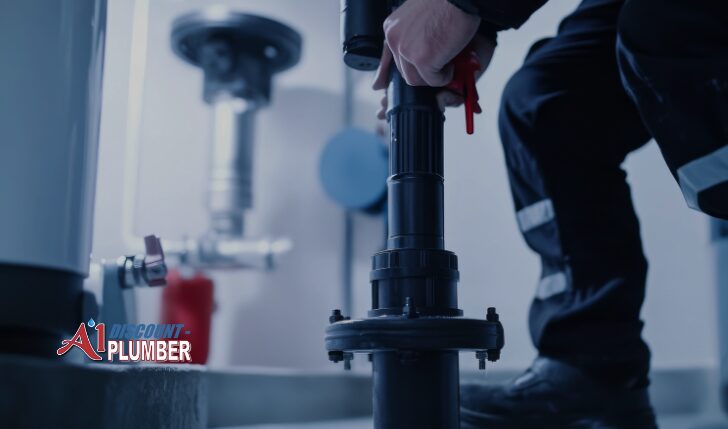
How Metro West Homeowners Can Prevent Basement Flooding Before It Starts
Spring in Massachusetts doesn’t just mean warmer weather—it signals one of the most dangerous times of year for basements across Metro West and Eastern Massachusetts. As snow melts and heavy rains arrive, saturated soil and frozen ground layers push water toward the lowest point of your home.
For many homeowners, that’s the basement.
At A1 Discount Plumber, we see a sharp increase in emergency flood calls every March. The good news? Most basement flooding caused by sump pump failure is preventable with early inspection, proper maintenance, and the right backup systems in place.
Here’s what every Massachusetts homeowner should know before spring water finds its way indoors.
Why Spring Is the Highest-Risk Season for Basement Flooding
Massachusetts homes—especially older ones—face a unique springtime challenge known as frozen-ground flooding. When the top layer of soil remains frozen, melting snow and rainwater can’t absorb into the ground. Instead, it flows laterally, pressing against foundations and footing drains.
If your sump pump isn’t operating perfectly, water has nowhere to go.
Common spring risk factors include:
- Heavy snowmelt combined with seasonal rain
- High local water tables across Metro West
- Aging sump pump systems or undersized pumps
- Power outages during spring storms
When these conditions collide, even a brief pump failure can lead to inches of water in the basement—and thousands in damage.
Hidden Sump Pump Problems We See Every Spring
Many sump pump issues aren’t obvious until the system is under stress. During spring inspections, our technicians frequently find:
- Failed or missing check valves, allowing discharged water to fall back into the pit
- Iron ochre buildup, a thick, rust-colored sludge common in Massachusetts soil that clogs pumps
- Stuck or worn float switches, preventing pumps from activating
- Frozen or blocked discharge lines, forcing water back toward the foundation
These issues don’t usually announce themselves—they show up when the pump is needed most.
Why Battery Backup Systems Matter More Than You Think
A sump pump without a battery backup is only as reliable as the power grid.
Spring storms in Massachusetts often cause outages, and when the electricity goes out, standard sump pumps stop working. That’s why battery backup systems are one of the smartest upgrades a homeowner can make.
A properly installed backup system:
- Activates automatically during power loss
- Continues pumping for hours during storms
- Prevents basement flooding even when the primary pump fails
- Costs far less than flood cleanup or restoration
Considering water damage restoration can range from $1,400 to over $6,000, a backup system is one of the best ROI decisions for flood-prone homes.
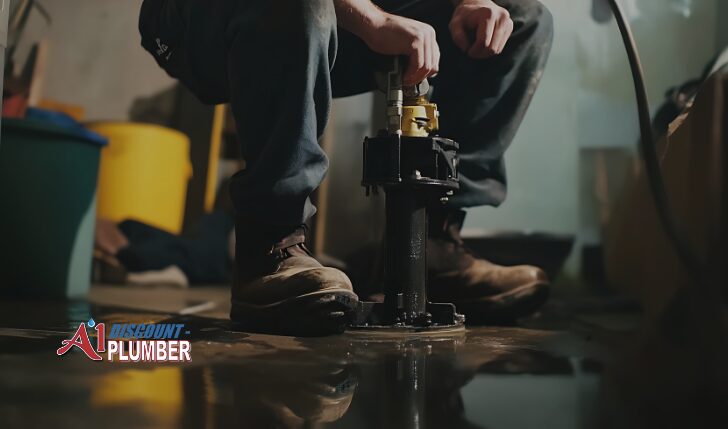
Get Ahead of the Flood Season—Before March Hits
Waiting until water is on the basement floor is the most expensive time to act. A professional sump pump inspection in late winter or early spring allows issues to be corrected before peak demand arrives.
At A1 Discount Plumber, we help Metro West homeowners:
- Inspect and test existing sump pumps
- Clean pits affected by iron ochre or sediment
- Repair or replace failing components
- Install battery backup and secondary pump systems
Our approach is preventative, practical, and designed specifically for Massachusetts soil and weather conditions.
Protect Your Basement Before the Water Rises
Spring flooding is not a matter of if—it’s a matter of when. The right preparation now can prevent emergency calls, insurance claims, and costly repairs later.
Contact A1 Discount Plumber today to schedule a sump pump inspection and make sure your home is ready before spring weather puts your system to the test.
FAQs:
- How often should a sump pump be inspected?
At least once a year—ideally before spring. Homes with high water tables or past flooding may need inspections every 6 months. - What are the signs my sump pump is failing?
Unusual noises, short cycling, running constantly, visible rust, or a pump that doesn’t activate during heavy rain are all warning signs. - Do I really need a battery backup sump pump?
Yes. Power outages are common during spring storms in Massachusetts. Without a backup, your pump won’t work when you need it most. - What causes iron ochre buildup in sump pits?
Iron-rich soil combined with bacteria creates a thick sludge that clogs pumps. This is common in Eastern Massachusetts and requires professional cleaning. - Can an old sump pump still be reliable?
Most sump pumps last 7–10 years. Older units are more prone to failure and often lack the capacity needed for today’s spring flooding conditions.