
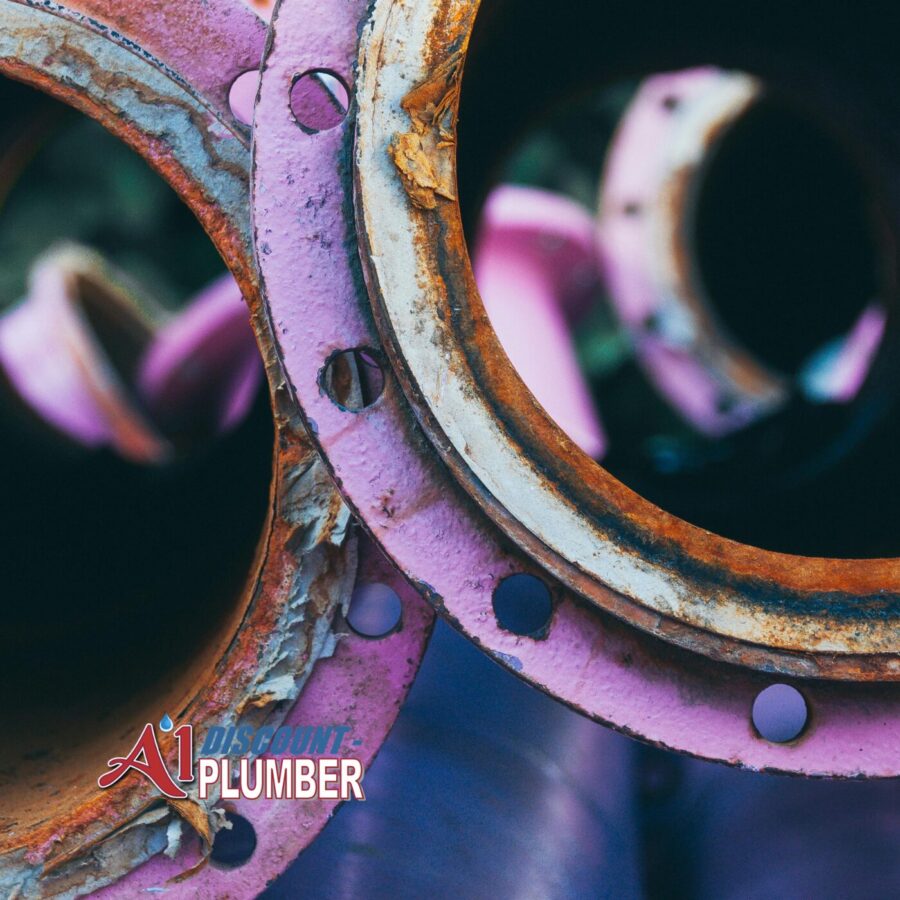
Replacing Galvanized and Lead Pipes in Massachusetts Homes Built Before 1960
Massachusetts is home to some of the most beautiful—and oldest—residential properties in the country. From antique Colonials in Wellesley to post-war ranches in Framingham, many homes across Metro West were built before modern plumbing codes existed.
Unfortunately, with that charm comes a hidden danger: galvanized steel, cast iron, and even lead pipes that are now decades past their safe lifespan.
At A1 Discount Plumber, we specialize in helping homeowners restore their plumbing systems while preserving the historical integrity of their homes. If you’re noticing strange odors, brown water, or low water pressure—it may be time to take a deeper look.
Why Old Pipes Are a Big Problem Today
For homes built before 1960, outdated pipe materials are not just inefficient—they’re hazardous.
- Galvanized Steel Pipes corrode from the inside out, reducing water flow and discoloring water
- Cast Iron Drain Lines develop internal rust flakes that cause frequent clogs and eventual collapse
- Lead Pipes and Solder pose a serious health risk, especially to children and pregnant women
These materials were once the standard—but now fall far short of modern safety and performance expectations.
Common Signs You Need a Plumbing Restoration
Many homeowners don’t realize there’s an issue until it’s urgent. Here are a few early signs your old pipes may be failing:
- Rusty or yellow-tinted water, especially after periods of inactivity
- Unexplained drops in water pressure in sinks, tubs, or showers
- Persistent clogging, even after drain cleaning
- Visible corrosion on exposed piping in the basement or crawlspace
- Metallic taste or odor in your drinking water
In older Metro West neighborhoods like Needham or Newton, root infiltration is also common—mature trees search for water and invade clay or cast iron sewer lines, causing backups and breaks.
What Are Your Modern Pipe Replacement Options?
Today’s plumbing materials are engineered for both safety and performance in New England’s freeze-thaw cycles:
- PEX (Cross-linked Polyethylene): Flexible, corrosion-resistant, and fast to install
- Copper (Type L): Durable and time-tested with natural antimicrobial properties
- PVC/ABS Drain Lines: Non-corrosive, easy to clean, and resistant to root intrusion
When retrofitting a historical home, we take care to preserve wall finishes, limit structural impact, and offer solutions that align with your property’s age and value.
Why This Isn’t a DIY Project
Replacing outdated pipes—especially in a 70+ year-old home—requires deep experience. From local permitting to safely removing lead components, this work must be performed to code and with respect for your home’s architecture.
At A1 Discount Plumber, we offer:
- Full pipe inspections using advanced camera technology
- Safe removal of hazardous materials
- Strategic planning for minimal interior disruption
- Full-system conversions to modern water and drain lines
Whether you’re remodeling a bathroom, prepping for resale, or just tired of guessing what’s behind your walls, we’re here to restore your home’s plumbing with modern peace of mind.
Trust Your Pipes to a Team That Knows Old Homes
The average galvanized pipe lasts 40–60 years. That means if your home was built before 1960, your pipes are likely on borrowed time. Now is the time to upgrade before corrosion leads to full system failure—or worse, hidden contamination.
Contact A1 Discount Plumber today to schedule a historical plumbing inspection and see what’s really going on behind your walls.
FAQs: Plumbing Restoration for Older Homes
How do I know if my home still has galvanized or lead pipes?
Look for grayish or dull metal pipes in the basement. You can also schedule a professional inspection with A1 Discount Plumber to test materials and water quality.
Is it dangerous to drink water from old pipes?
Yes. Corroded galvanized pipes can release lead and other metals into drinking water. Even low levels can pose long-term health risks.
What’s the difference between galvanized and cast iron pipes?
Galvanized pipes carry clean water and corrode internally, reducing flow. Cast iron pipes are used for drainage and often fail due to rust, roots, or cracking.
Will replacing old pipes damage my walls?
In most cases, we use minimally invasive access points and re-route piping to limit wall damage—especially in historically preserved homes.
How long does a full repipe take?
For an average-sized home, most repiping projects can be completed in 3–5 days, depending on accessibility and scope.